Physical Address
304 North Cardinal St.
Dorchester Center, MA 02124
Physical Address
304 North Cardinal St.
Dorchester Center, MA 02124
With Michael Walker
With Michael Walker
The Meaning of “Nothing” (οὐδέν) in John 15:5
The discourse of John 15:5 hinges upon the critical word οὐδέν (oudén), meaning “nothing” or “not even one thing.” At first glance, this statement seems to contradict observable reality: countless individuals outside of covenantal union with Yehoshua have achieved monumental success, building empires, accumulating wealth, and shaping civilizations. Yet the Messiah’s declaration, “Because apart from me you are not able to do nothing/not even one thing,” demands a deeper audit. The key lies in distinguishing between temporal achievement and eternal fruit, between human effort governed by natural law and divine production sourced in covenantal union.
The verb δύνασθε (dýnasthe), “to be able, to have capacity/strength,” clarifies the scope of this incapacity. It does not deny human ability in the natural sphere; rather, it identifies the loss of intrinsic spiritual power necessary for covenantal production. The severed branch may still move, build, and appear productive, but it cannot bear fruit of eternal consequence. Thus, οὐδέν is not a denial of human effort, but a verdict upon its eternal value. Works disconnected from the Vine are rendered void in the divine economy, regardless of their temporal magnitude.
This distinction is sharpened when we contrast human achievement with spiritual capacity. Human achievement—building companies, accumulating wealth, or maintaining moral uprightness—operates under the governance of natural law and common grace. These outputs are real, measurable, and consequential within the boundaries of earthly existence. Yet when weighed against the eternal standard, they collapse into οὐδέν. The prophet Isaiah confirms this principle: “And all our righteousnesses are like a stained garment” (Isaiah 64:6). Even the most noble human efforts, when severed from divine life, are tainted and insufficient before God.
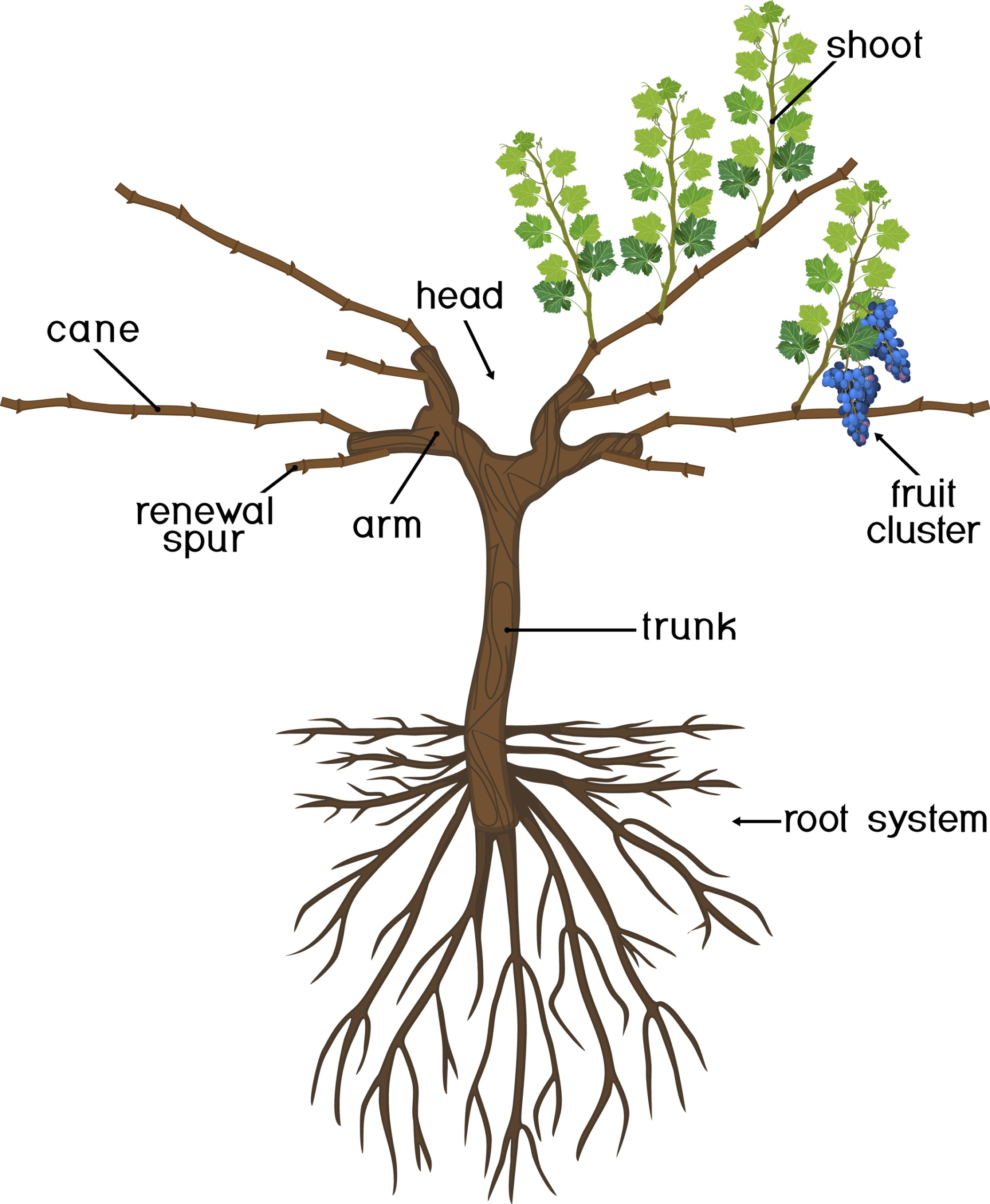
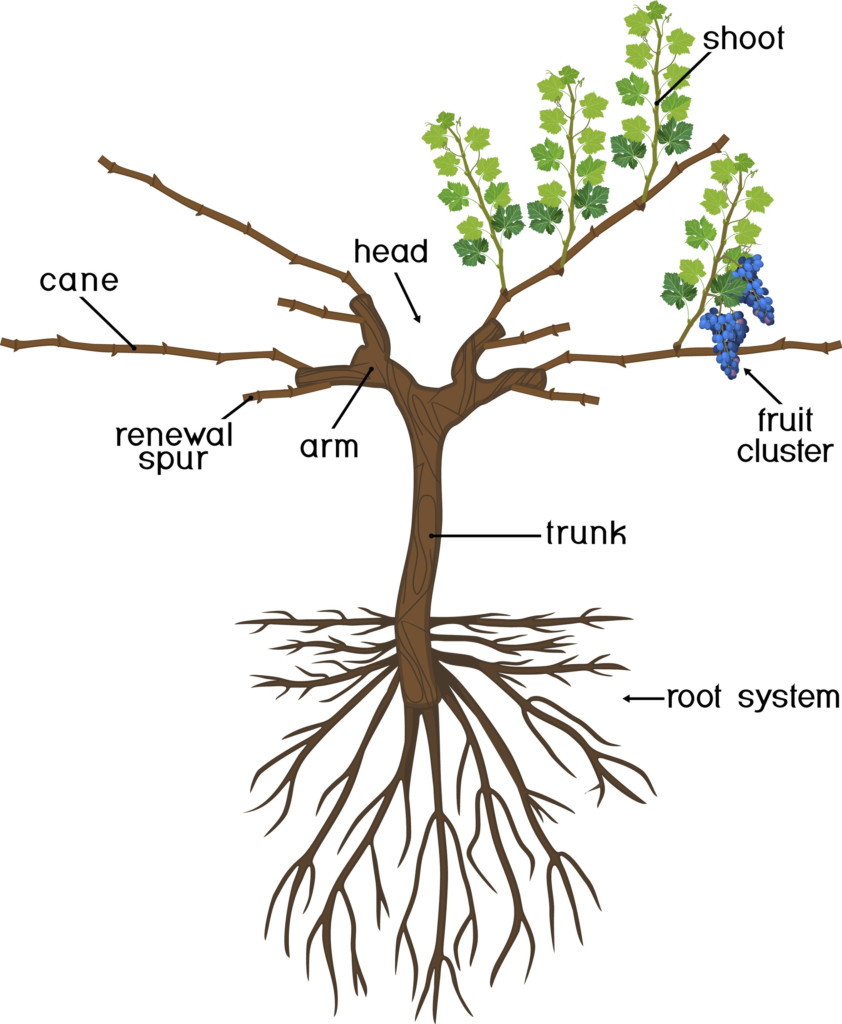
By contrast, spiritual capacity flows directly from union with the Vine. This is the production of eternal fruit, the manifestation of the Messiah’s character through the Fruit of the Spirit—love, joy, peace, patience, kindness, goodness, faithfulness, gentleness, and self-control (Galatians 5). It is also the achievement of righteousness acceptable to God, a righteousness that is untainted and enduring. Only the life of the Vine can generate this output; the branch cannot manufacture it independently. The severed branch may produce leaves or wood, but it cannot yield grapes.
The Synoptic witnesses reinforce this principle through the imagery of trees and fruit. Matthew 7:17 declares, “Every good tree bears good fruit, but the bad tree bears bad fruit.” Luke 6:43 confirms, “For there is no good tree which produces bad fruit, nor again a bad tree which produces good fruit.” These passages establish the non-negotiable law of source-to-output fidelity: the quality of the fruit is irrevocably tied to the nature of the source. A disconnected branch cannot produce eternal fruit, and a corrupt tree cannot produce good fruit.
The implications are profound. The billionaire’s empire, the philosopher’s wisdom, and the philanthropist’s morality may all impress human observers, but in the divine audit they register as οὐδέν. They lack eternal weight because they are disconnected from the life-flow of the Vine. The Messiah’s decree is not hyperbole but a categorical law: apart from Him, no work carries eternal consequence. The severed branch is incapable of producing fruit that God recognizes as His own work.
In conclusion, the word οὐδέν in John 15:5 establishes a binary assessment. Temporal achievements, though vast in human estimation, are void in the divine economy when disconnected from Yehoshua. Eternal fruit, by contrast, flows only from union with the Vine, manifesting in Spirit-led character and righteousness acceptable to God. The law of the Vine-Plant is absolute: union produces capacity; separation produces nothing.