Physical Address
304 North Cardinal St.
Dorchester Center, MA 02124
Physical Address
304 North Cardinal St.
Dorchester Center, MA 02124
With Michael Walker
With Michael Walker
The Overarching Purpose of the Vine and Branches Discourse
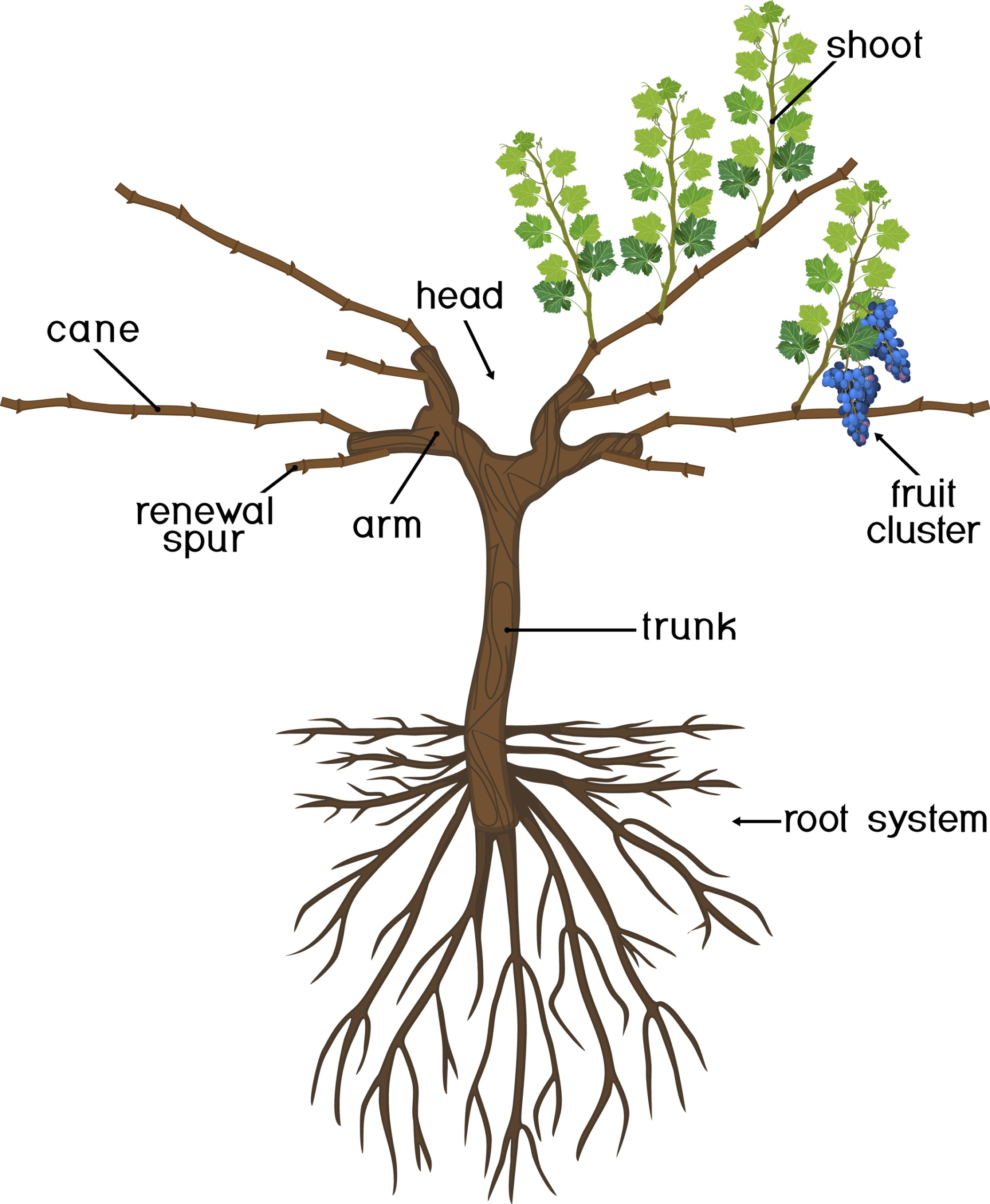
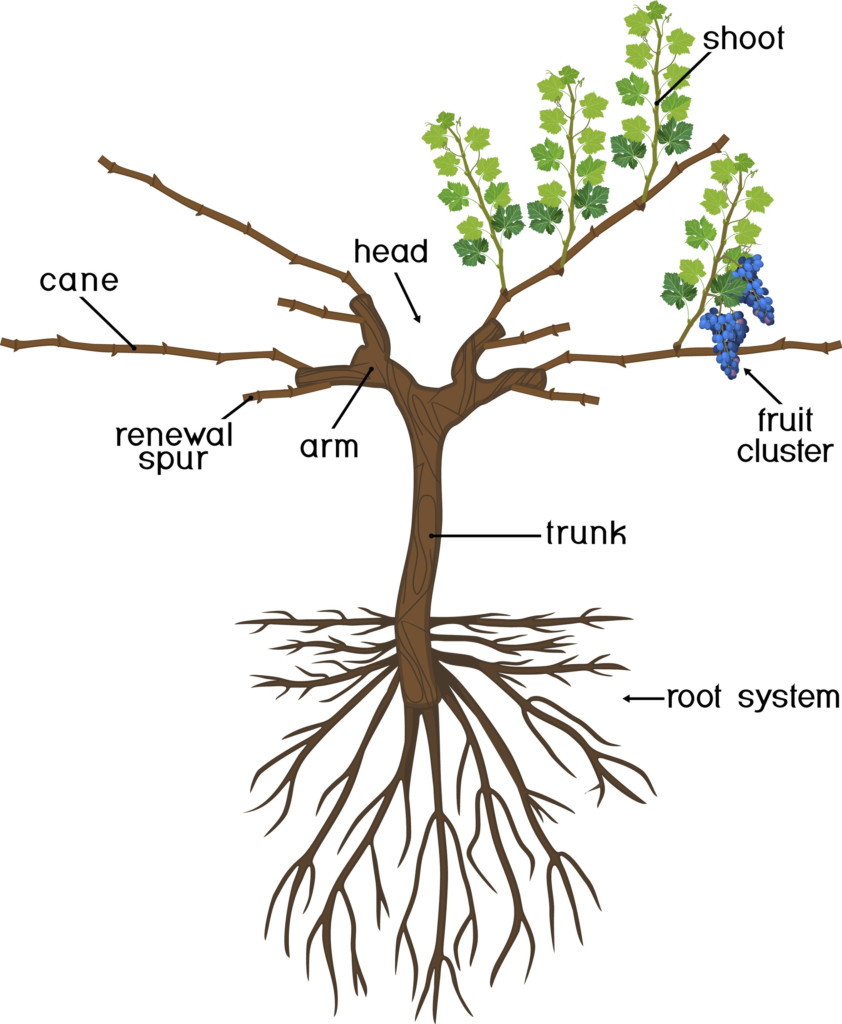
The discourse of the Vine and the Branches in John 15 is not a pastoral aside or agrarian metaphor meant to comfort the disciples with imagery of vineyards. It is, rather, a Kingdom blueprint that defines the covenantal relationship between Yehoshua and His followers, and it sets forth the eternal mandate that would govern their mission after His departure. The imagery of the Vine and Branches is chosen precisely because it conveys both dependence and productivity: the branch has no independent existence, and its sole purpose is to bear fruit. The declaration that apart from Him they can do οὐδέν (oudén)—nothing—is not hyperbole but a categorical statement of incapacity. It establishes that human effort, no matter how disciplined or ambitious, cannot accomplish the divine mission apart from union with the source.
The fruit in this discourse is not temporal commodity or personal achievement. It is defined as worship and testimony, the visible evidence of the Father’s glory manifested through the disciple’s life. John 15:8 makes this explicit: “In this was glorified the Father of‑Me in‑order‑that fruit much you‑may‑bear and you‑may‑become to‑Me learners/disciples.” The bearing of fruit is the means by which the Father is glorified, and it is simultaneously the proof of discipleship. Thus, fruit is not optional ornamentation; it is the definitive evidence of covenantal union. The disciple’s identity is authenticated not by words or claims, but by the production of fruit that flows from the Vine.
Remaining—μένω (ménōn)—is the condition that governs this production. It is not an ethereal feeling or mystical state but obedience to the divine will. John 15:10 clarifies: “If the commandments the My you‑may‑keep you‑remain/dwell in the love of‑Me.” Remaining is defined as active compliance with the covenantal terms of the relationship. The branch remains in the Vine by submitting to the instructions that flow from the source. This obedience is not burdensome; it is the channel through which the life of the Vine flows into the branch. The highest expression of this obedience is the core commandment: “This is My commandment, that you love one another, just as I have loved you” (John 15:12). Love is the fruit that proves union, and it is the relational work that builds the Kingdom community.
The discourse culminates in the divine appointment of the disciples, which emphasizes the eternal purpose of their mission. John 15:16 declares: “Not you‑yourselves Me chose but I‑Myself chose you and I‑placed you in‑order‑that you‑yourselves may‑go and fruit you‑may‑bear and the fruit of‑you may‑remain/dwell.” The disciples were not chosen for personal benefit or temporal success; they were appointed for a singular mission: to bear fruit that remains. The permanence of this fruit—μένῃ (ménē)—contrasts sharply with the temporal achievements of the disconnected world. Wealth, power, and influence may impress human observers, but they do not endure. The fruit of the Vine, however, is guaranteed to remain because it is sourced in divine life.
The overarching purpose of the Vine and Branches discourse, therefore, is to establish the eternal mandate of discipleship. It defines the incapacity of human effort apart from Yehoshua, the necessity of obedience as the condition of union, the production of fruit as the evidence of discipleship, and the permanence of that fruit as the guarantee of divine appointment. The declaration that apart from Him they can do οὐδέν is not a denial of human ability in temporal matters, but a verdict upon their eternal value. The disciples’ mission is not to build empires or accumulate wealth, but to bear fruit that glorifies the Father and endures forever. This is the Kingdom blueprint: union with the Vine, obedience to His commands, love as the supreme fruit, and permanence as the mark of divine appointment.