Physical Address
304 North Cardinal St.
Dorchester Center, MA 02124
Physical Address
304 North Cardinal St.
Dorchester Center, MA 02124
With Michael Walker
With Michael Walker
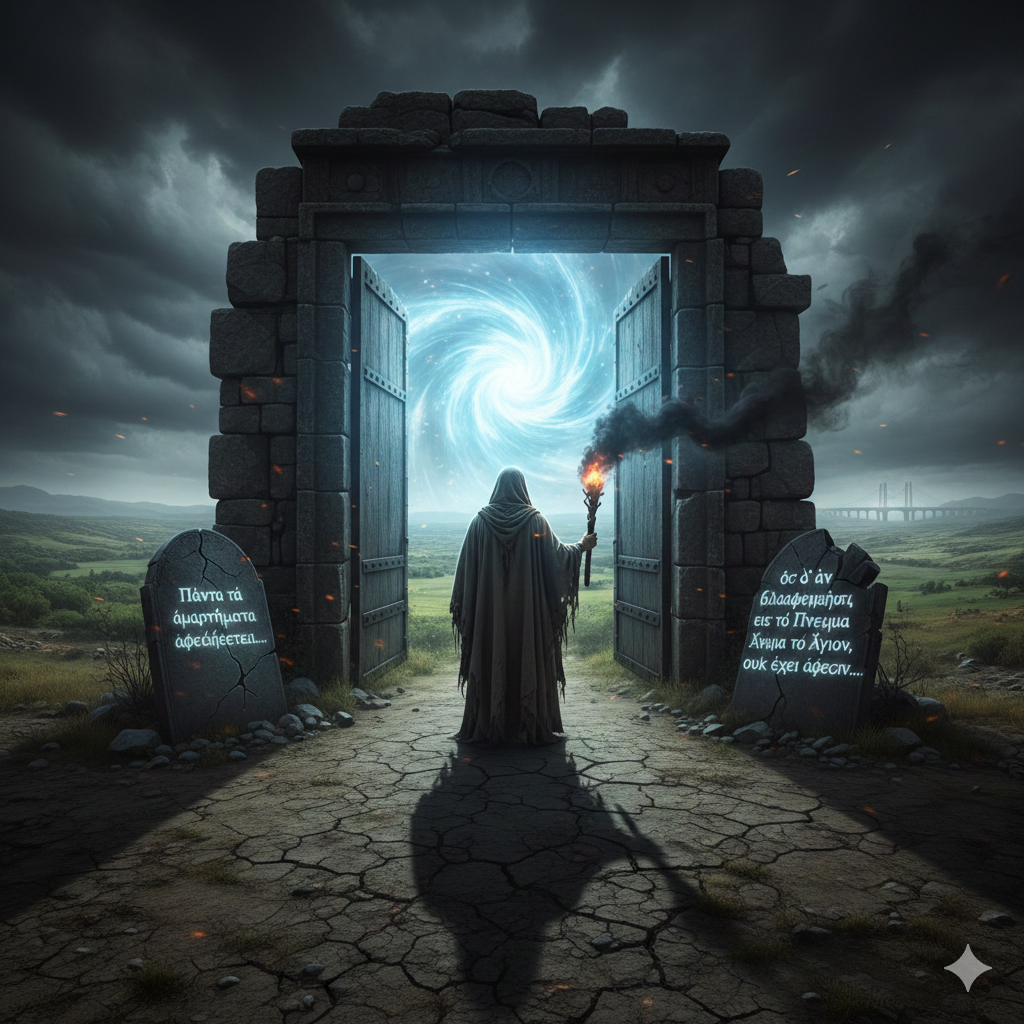
The architecture of this warning is not a recent innovation of the newer writings but is firmly rooted in the ancient foundations of the covenantal law, where the misuse of the Divine Voice has always been met with the highest severity. Throughout the scrolls of the Nevi’im (Neh-vee-eem) — Prophets, the Sovereign issues a scorching indictment against those who steal His words to furnish their own authority. These individuals act as spiritual highwaymen, intercepting the reverence due to the Almighty and redirecting it toward their own fabrications. When a man stands before the assembly and utters the phrase “The Lord says” while his own heart is the only source of the message, he is not merely mistaken; he is engaging in a strike against the character of the Creator. This ancient form of injurious speech is the direct ancestor to the blasphemy of the Ruach (Roo-akh) — Spirit. It is the act of a vessel claiming to be filled with the breath of heaven while being propelled only by the stagnant air of its own ambition. Like a false messenger who breaks the wax seal of a King to write his own decrees, the false prophet seeks to bind the conscience of the people to a lie by dressing it in the garments of holiness.
The witness of Yirmeyahu (Yeer-meh-yah-hoo) — Jeremiah exposes the mechanism of this theft, revealing how the Sovereign views the appropriation of His Name for human deception. The text of the Leningrad Codex captures the weight of this judicial stance, showing that those who simulate the prophetic voice are viewed as adversaries of the Truth.
הִנְנִי עַל־הַנְּבִאִים נְאֻם־יְהוָה הַלֹּקְחִים לְשׁוֹנָם וַיִּנְאֲמוּ נְאֻם׃ הִנְנִי עַל־נִבְאֵי חֲלֹמוֹת שֶׁקֶר נְאֻם־יְהוָה וַיְסַפְּרוּם וַיַּתְעוּ אֶת־עַמִּי בְּשִׁקְרֵיהֶם וּבְפַחֲזוּתָם וְאָנֹכִי לֹא־שְׁלַחְתִּים וְלֹא צִוִּיתִים וְהוֹעֵיל לֹא־יוֹעִילוּ לָעָם־הַזֶּה נְאֻם־יְהוָה׃
Hin-nee al-han-neh-vee-eem neh-oom-Yah-weh hal-lo-keh-kheem leh-sho-nahm wai-yin-ah-moo neh-oom; Hin-nee al-neev-ei kha-lo-moht sheh-kehr neh-oom-Yah-weh wai-yes-sap-peh-room wai-yat-oo eht-am-mee beh-sheek-rei-hehm oo-veh-pah-kha-zoo-tahm we-ah-no-khee lo-sheh-lakh-teem we-lo tsee-vee-teem we-ho-eil lo-yo-ee-loo la-ahm-haz-zeh neh-oom-Yah-weh.
Behold-me against the speakers-of-messages utterance-of-HE-WHO-IS the taking-ones tongues-of-them and they-utter-as-Divine utterance; Behold-me against speakers-of-messages dreams-of deception utterance-of-HE-WHO-IS and they-recount-them and they-lead-astray the people-of-me in-deceptions-of-them and in-recklessness-of-them and I not I-sent-them and not I-commanded-them and profiting not they-profit to-the-people-this utterance-of-HE-WHO-IS. (Leningrad – Jeremiah – 23 – 31-32)
This pattern of reckless appropriation continues into the era of the messianic community, where the consequences of misrepresenting the Ruach (Roo-akh) — Spirit move from the communal to the immediate and lethal. The account of Chananyah (Khah-nahn-yah) — Ananias and Sapphira (Sahp-phee-rah) provides a stark illustration of what it means to speak injuriously into the presence of the Set-Apart Breath. They did not merely tell a social lie; they attempted to deceive the very agency of the Sovereign’s indwelling. By presenting a partial sacrifice as a total devotion, they sought to manipulate the reputation of the Spirit for their own social elevation. They claimed a level of spiritual surrender that did not exist, thereby treating the Ruach (Roo-akh) — Spirit as a common element that could be fooled by human theater. Just as a branch that is severed from the tree withers instantly when the sap stops flowing, their physical lives were terminated the moment they tried to bypass the integrity of the Breath.
The Greek witness of the Codex Vaticanus records the indictment of the emissary Shim‘on (Shee-mohn) — Simon Peter against this attempt to treat the Breath as an object of deception. It confirms that the assault is not against men, but against the Divine Presence itself.
Εἶπεν δὲ ὁ Πέτρος· Ἁνανία, διὰ τί ἐπλήρωσεν ὁ Σατανᾶς τὴν καρδίαν σου ψεύσασθαί σε τὸ Πνεῦμα τὸ Ἅγιον; … οὐκ ἐψεύσω ἀνθρώποις ἀλλὰ τῷ Θεῷ.
Eipen de ho Petros; Hanania, dia ti eplērōsen ho Satanas tēn kardian sou pseusasthai se to Pneuma to Hagion? … ouk epseuso anthrōpois alla tō Theō.
Said but the Peter; Hanania, through what filled the Adversary the heart of you to lie you to the Breath the Set-Apart? … not you lied to humans but to the God. (Vaticanus – Acts – 5 – 3-4)
The thread that binds the false prophets of Yirmeyahu (Yeer-meh-yah-hoo) to the counterfeit devotion of Chananyah (Khah-nahn-yah) is the same thread found in the warning of Yehoshua regarding the blasphemy of the Spirit. It is the refusal to honor the boundary between the human will and the Divine Breath. When a man uses the Breath as a tool for his own vanity, or a shield for his own lawlessness, he enters a state of profound peril. These supporting parallels prove that the unpardonable nature of the sin is found in the deliberate nature of the forgery. It is the act of a soul that has seen the Truth and decided to wear it as a costume rather than submit to it as a King. Because the offender has replaced the genuine source of life with a simulation of their own design, they are left with no bridge back to the Father. The standard of the ancient scriptures remains the final word of validation: the Breath of the Almighty cannot be mocked, and those who falsely claim His authority will be met with the declaration of an eternal absence of recognition.