Physical Address
304 North Cardinal St.
Dorchester Center, MA 02124
Physical Address
304 North Cardinal St.
Dorchester Center, MA 02124
With Michael Walker
With Michael Walker
The Declaration of the Vine and the Branches
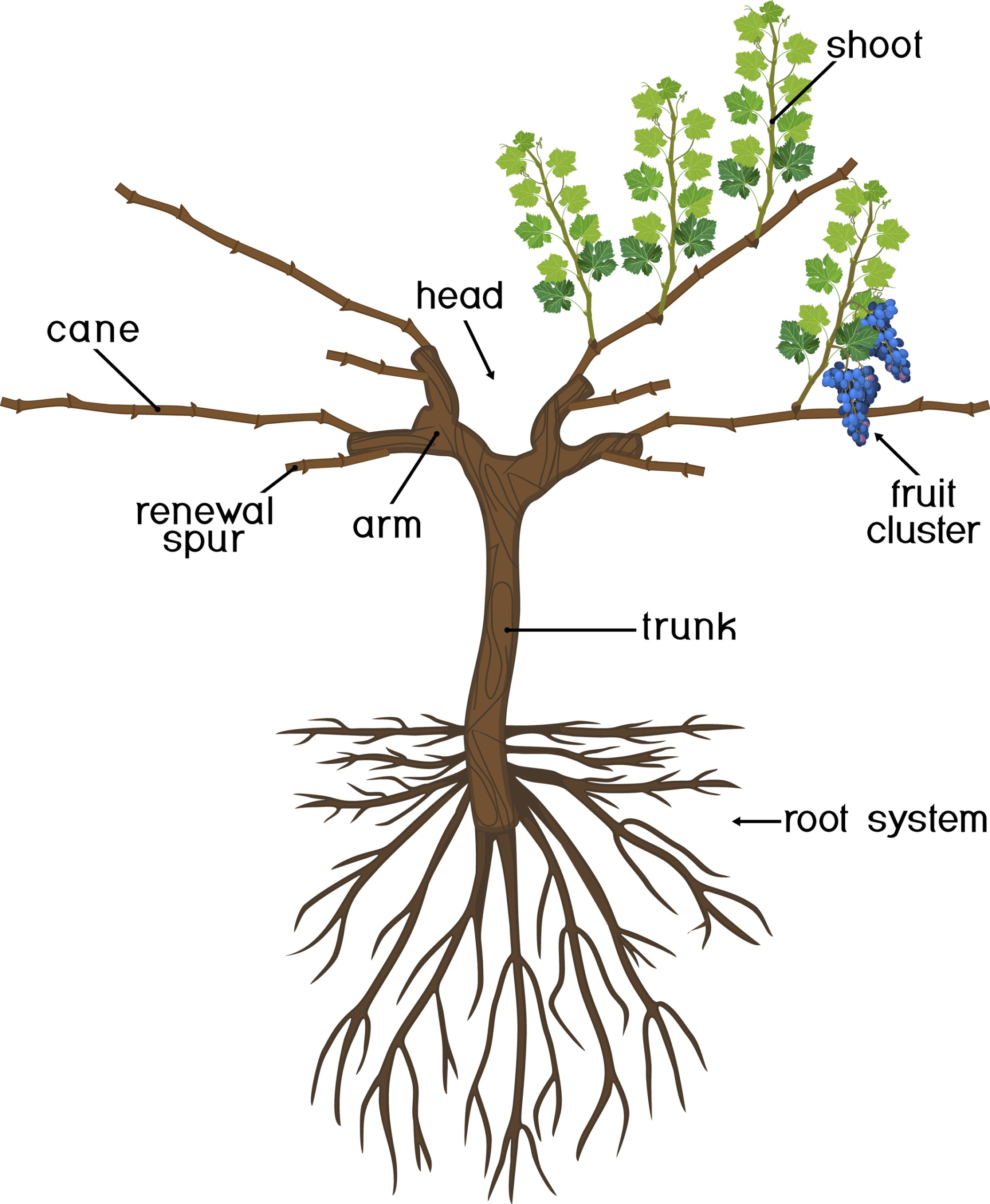
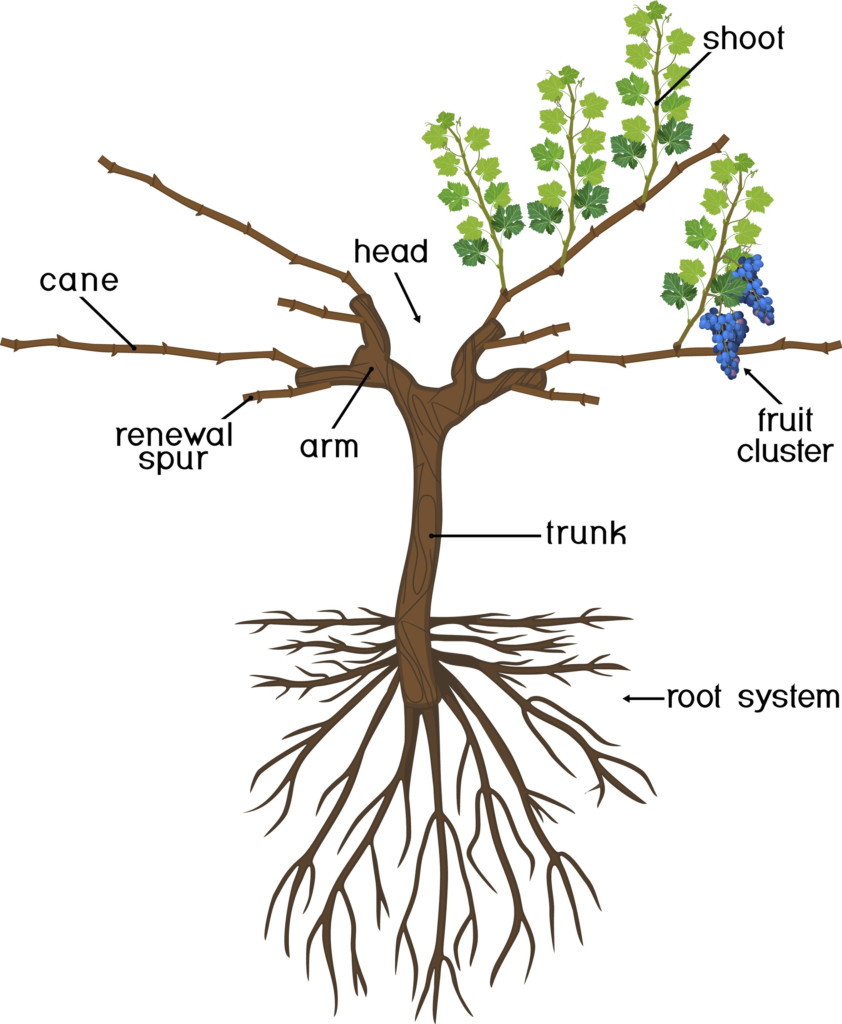
The declaration of the Vine and the branches moves immediately from a statement of identity to a proclamation of absolute necessity, framing all spiritual existence and productive work within a single, uncompromising relationship. This analogy is not a literary flourish; it is a profound biological and covenantal law that governs the flow of life.
The entire structure hinges upon the inherent reality of the physical metaphor: the slender vine-plant stretching upward generates extremities that are the branches. The observation that these elements—ἄμπελος (ámpelos), the vine-plant, and κλήματα (klḗmata), the branches—are united at their points of intersection is the key to comprehending the spiritual claim. At this juncture of union, the branch possesses no independent existence; it is entirely and immediately derivative of the vine. The branch is literally in the vine, and the vine is in the branch, forming one vascular system.
This physical reality is affirmed by the operative term for the condition of life: μένων (ménōn), translated as “continually remaining/dwelling.” This word does not denote a transient stop but a settled, persistent state of connection. It describes an existential union that must be maintained without interruption. This persistent union is the sole pathway through which the life of the Vine-Plant—the sap and nutrients drawn from the deepest root—flows into the branch, enabling its function. To speak of a branch is to speak of a remaining branch; to speak of production is to speak of the fruit of that remaining.
The function of this remaining branch is to produce καρπόν (karpón)—fruit, produce, or harvest. This term encompasses both the physical yield and the resultant product of the vine’s flow. The Vine-Plant’s design mandates this output, and the branch is merely the mechanism for its manifestation. The promise is clear: “The one continually remaining/dwelling within me, and I within him—this one bears much fruit.” The quality and quantity of the result are guaranteed by the quality of the union, not by the independent effort of the branch. The life flows; the fruit appears.
The consequence of violating this covenantal relation is absolute and immediate. Severing the branch from the source causes an instantaneous, though initially invisible, loss of life, leading inexorably to the cessation of all production. The declaration—“Because apart from me you are not able to do anything, not even one thing”—is the ultimate biological statement of reality. The spiritual parallel is devastatingly simple: separation from Yehoshua results in spiritual death and the complete termination of the capacity to produce fruit of covenantal purpose and eternal value.
This loss is defined by the verb δύνασθε (dýnasthe), meaning “to be able” or “to have the capacity/strength,” pointing to the intrinsic, internal power necessary for life’s function. When the branch is cut, it does not merely lose access to external support; it loses the very intrinsic power—the dýnasthe—to fulfill its covenantal role. The inevitable result of this lost capacity is οὐδέν (oudén), meaning “nothing” or “not even one thing.” The principle is confirmed: separation from the Vine-Plant results in a loss of power, and consequently, all production ceases. The branch dies.
This profound statement transcends agrarian imagery, asserting a binary state of existence: life and capacity are found only in union (μένων); futility and death are found in separation. The life of the branch is the definitive witness to the sustained, essential existence of the vine’s flow.