Physical Address
304 North Cardinal St.
Dorchester Center, MA 02124
Physical Address
304 North Cardinal St.
Dorchester Center, MA 02124
With Michael Walker
With Michael Walker
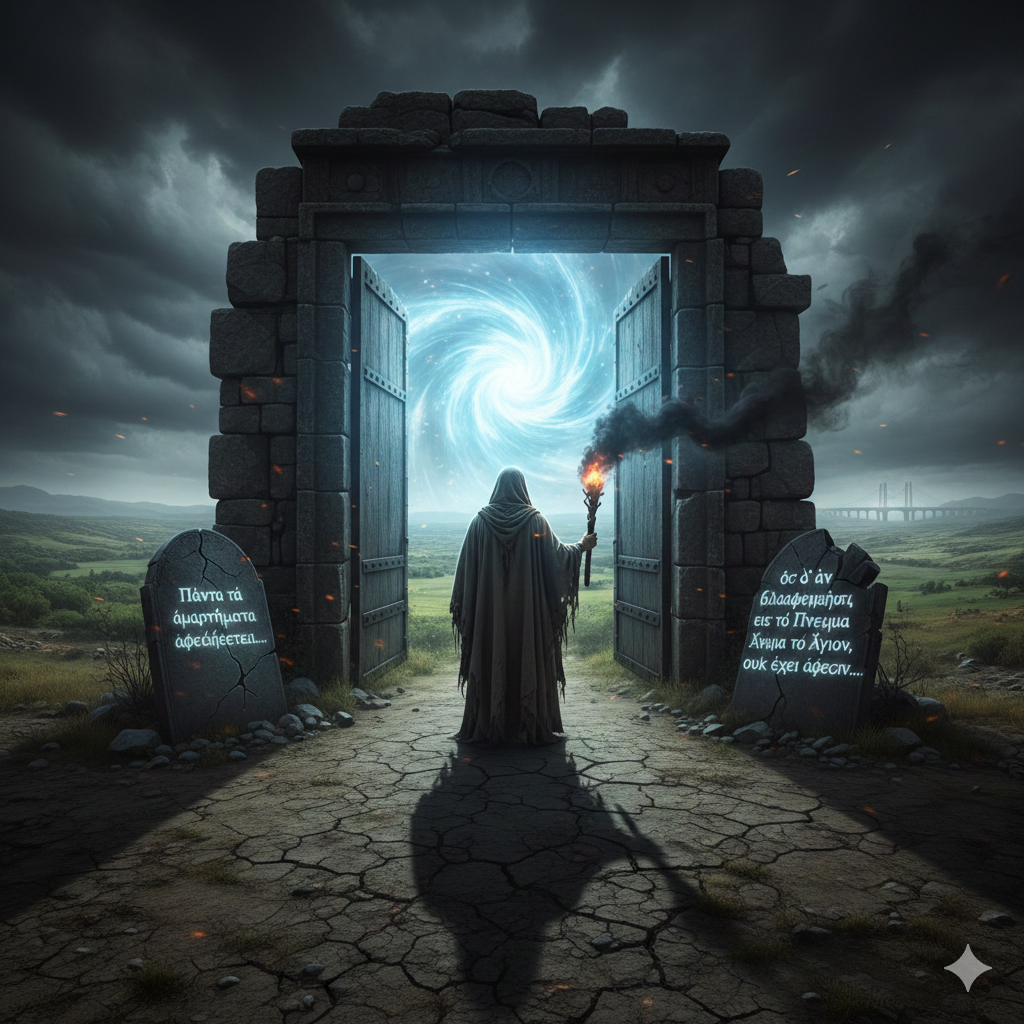
The concept of the unpardonable transgression stands as a monolithic sentinel at the gate of spiritual discourse, demanding a precise examination of the breath of the Creator and the speech of man. To grasp the essence of what is commonly termed the blasphemy of the Ruach Ha-Kodesh (Roo-akh Hah-Koh-dehsh) — Holy Spirit, one must first dismantle the modern architectural assumptions of institutional religion which often frame this act as a mere verbal slip or a finality of despair. Popular belief frequently oscillates between the terror of an accidental utterance and the weight of a lifetime of resistance, yet the ancient witnesses point toward a specific, defiant posture of the heart that misidentifies the source of life-giving power as the source of destruction. Just as a man might stand in the midday sun yet insist the light is darkness, thereby making the very mechanism of sight his cause of blindness, the rejection of the active, sanctifying breath of the Almighty creates a self-imposed exile from the only frequency through which restoration can be received.
Understanding the gravity of this state requires an immersion into the linguistic soil from which the term blasphemy emerges. In the ancient cultural and etymological landscape, the word is not a sterile legal category but a functional description of injury. According to the Greek witnesses of Hesychius and the Suda, the root identifies a strike against the reputation or the vital essence of another. It is a verbal or internal assault intended to hinder or slow down the perception of Truth. When applied to the Ruach Ha-Kodesh (Roo-akh Hah-Koh-dehsh) — Holy Spirit, it signifies a deliberate attribution of the works of the Divine to an unclean source, effectively severing the line of communication between the Sovereign and the soul. By calling the cleansing fire of the Creator a common flame of the adversary, the individual refuses the only agency capable of producing the fruit of turning back.
The primary testimony concerning this boundary is recorded in the accounts of the life of Yehoshua, particularly during a confrontation with those who witnessed a miraculous restoration and attributed it to the master of flies. The text from the Codex Vaticanus reveals the weight of this distinction:
Πάντα τὰ ἁμαρτήματα ἀφεθήσεται τοῖς υἱοῖς τῶν ἀνθρώπων καὶ αἱ βλασφημίαι ὅσα ἐὰν βλασφημήσωσιν· ὃς δ’ ἂν βλασφημήσῃ εἰς τὸ Πνεῦμα τὸ Ἅγιον, οὐκ ἔχει ἄφεσιν εἰς τὸν αἰῶνα, ἀλλ’ ἔνοχός ἐστιν αἰωνίου ἁμαρτήματος.
Panta ta hamartēmata aphethēsetai tois huiois tōn anthrōpōn kai hai blasphēmiai hosa ean blasphēmēsōsin; hos d’ an blasphēmēsē eis to Pneuma to Hagion, ouk echei aphesin eis ton aiōna, all’ enochos estin aiōniou hamartēmatos.
All the missed-marks shall be released to the sons of the humans and the injurious-speeches as many as they may speak-injuriously; who but ever may speak-injuriously into the Breath the Set-Apart, not has release into the age, but held-in-bondage is of age-enduring missed-mark. (Vaticanus – Mark – 3 – 28-29)
In this framework, the missed-mark is not merely a mistake in conduct but a state of being held in bondage to a perception that refuses the very breath required for life. The Pneuma (P-neh-oo-ma) — Spirit is the animating force of the Covenant, and to speak injuriously against it is to reject the bridge while standing in the middle of a chasm. This deep dive will proceed to untangle the threads of this warning, moving past the surface of fear and into the structural reality of how the human will interacts with the Holy Breath.